The Web Link In Between Menopause And Urinary System Incontinence: A Systematic Evaluation
How Menopause Effects Urinary Tract Wellness

Ask The Specialist: From A Medical Professional's Point Of View What Are Some Common Inquiries You Listen To?
If you are experiencing urinary incontinence signs throughout menopause, do not be reluctant to Bladder control review your interest in us. We know it's not constantly very easy to talk about pee leaks, yet there are treatment choices available to aid you regain control and delight in a better quality of life during this transformative phase. Additionally, most studies stop working to account for the lasting effect of numerous therapies on UI such as pelvic flooring workouts, drugs, or surgical interventions. The hormonal influence on UI stays debatable, and a lot more regulated researches are required to fully understand how hormonal agent substitute treatments, or lack thereof, influence UI advancement in postmenopausal women.- An exhaustive search of 911 scholarly magazines yielded 469 duplicate records, which were subsequently excluded.
- Prevent bladder irritants and talk with your doctor concerning treatment alternatives.
- Most individuals consider estrogen as the sex hormonal agent that plays a major function in durations and pregnancy.
- If you're thinking of hormonal agent treatment, it's important to chat with your medical professional and evaluate the dangers and benefits based on your complete health and wellness picture.
- While still in development, they offer hope for even more choices in the future.
Exactly How Hormonal Variations And Conditions Impact Urological Health
Bladder problems prevail amongst perimenopausal females and it may worsen their lifestyle, but it doesn't need to. This is because reproductive health events unique to ladies, like pregnancy, giving birth, and menopause, influence the bladder, urethra, and various other muscular tissues that support these body organs. Some women might experience a 2nd sort of incontinence called impulse urinary incontinence or over active bladder (OAB). This kind can be caused by an increase in bladder sensitivity caused, once more, by reduced estrogen levels. Our service providers work closely with each patient to create a customized treatment plan that improves bladder control and overall quality of life. A pessary is one of the most commonly used gadget for the therapy of anxiety incontinence.
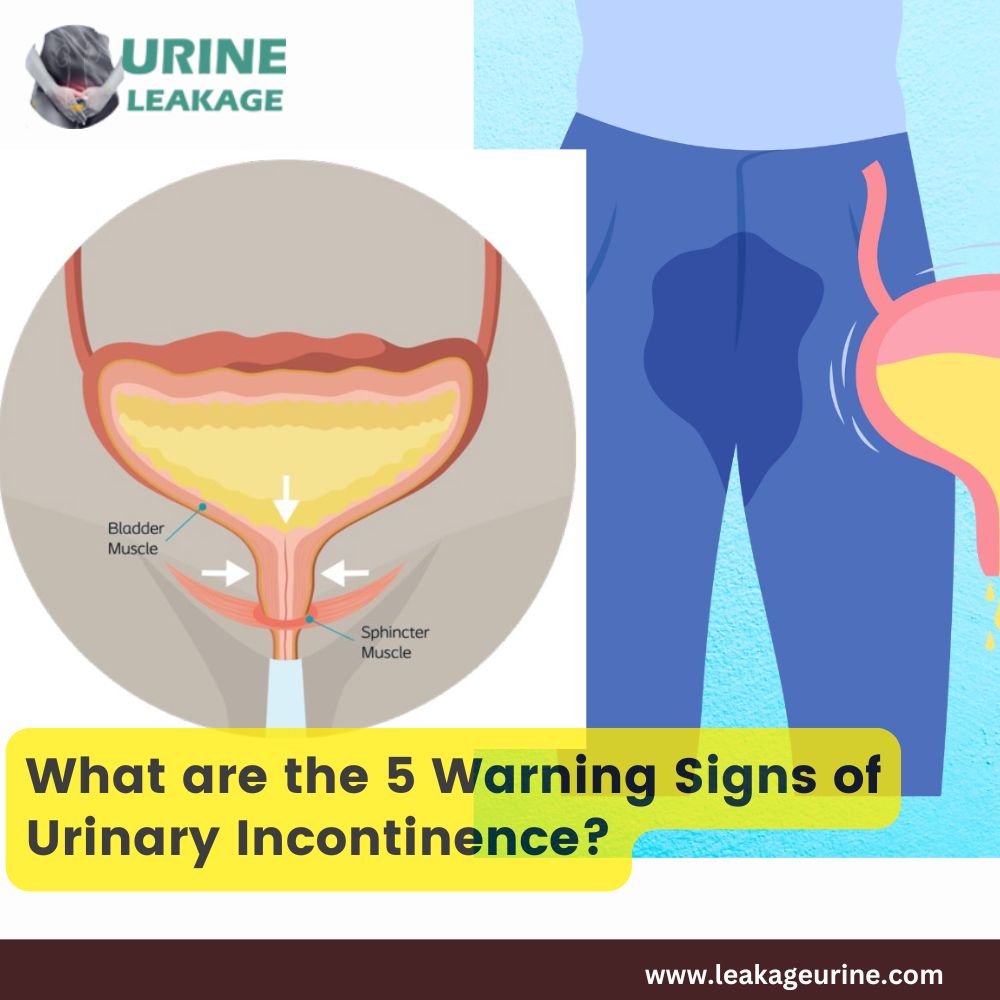
Women have one-of-a-kind wellness events, such as pregnancy, giving birth, and menopause, that may impact the urinary system system and the surrounding muscular tissues. The pelvic flooring muscles that support the bladder, urethra, womb (womb), and bowels may end up being weak or damaged. When the muscles that support the urinary system are weak, the muscles in the urinary system tract must work harder to hold pee up until you prepare to urinate. This additional tension or pressure on the bladder and urethra can create urinary system incontinence or leak. Urinary urinary incontinence is the uncontrolled loss of bladder control, meaning pee leakages when you don't mean it to. It can range from occasional light leak when coughing or sneezing to a sudden, intense impulse to urinate that's difficult to regulate.